Question:
I used to visit the people of good and the ’Ulamā' and the Mashāyikh, but sometimes I visited the homes of people of bid’ah, and my intention for that was to call them to the path of happiness and to the path of the Sunnah. Is there any sin in this?
Answer:
In the name of Allāh, The Most Merciful, Bestower of Mercy. All praises belong to Allāh, and praise and peace be upon the Messenger of Allāh and upon…
Question:
O Esteemed Sheikh may Allāh grant you success, this questioner from Britain says: we have some masjids in Britain that bring someone upon the manhaj of the Sunnah to teach people Tawheed or give a lecture concerning Tawheed, but the following day they bring a Sufi or an Ash'ari who teaches people Sufiyyah or Ash'ariyyah. Our question is, is it permissible for the Sunni da'ee to teach in these types of…
Question:
If the innovators request that I go to their masjid to admonish them and give khuṭbahs, should I go, or refuse to go?
Answer:
No, don't refuse - if the people of innovation request you to give a reminder, khutbah or seminar in their masjid. However, you have to target the innovation that they are falling into by clarifying its harms using evidences from the Qur'ān and Sunnah, that perhaps Allāh guides…
Fatwa of Sheikh Abū Bilāl ḥafidhahullāh (summarised).
There are four types of masjids in terms of giving lectures:
1⃣. Masjids of Ahlus-Sunnah.
With these masjids, there is no issue whatsoever in attending, lecturing, admonishing and conducting classes therein.
2⃣. Masjids belonging to the common folks (’awām) who generally love khayr. Usually these type of masjids allow everyone to give talks as they are unable to distinguish between the different speakers. With…
Likewise, short talks on the way, give them a kalimah; “A good word is charity,” tell them to fear Allāh, hold onto the Sunnah, encourage them to hold fast to the Qur'ān, Sunnah, Taqwa, warning them f
As for official khuṭbas and lectures, this should only be in the masjids of Ahlus-Sunnah. Those who want khayr know where to go. And that which relates to reminders on the way, then this is from the means of da'wah which the Prophet ﷺ and the Salaf utilised.
Source:
https://t.me/madrasatuna/2511
____
🔺Note: some parts are slightly paraphrased
{ فَٱسۡتَقِمۡ كَمَاۤ أُمِرۡتَ وَمَن تَابَ مَعَكَ...الآية}
“So be steadfast as you are commanded ˹O Prophet˺, along with those who turn ˹in submission to Allāh˺ with you.” [Sūrah Hūd: 112]
It is incumbent upon us to remain steadfast, as we are among those who have turned ˹in submission to Allāh˺ along with the Prophet ﷺ. So we must follow his guidance and remain guidance as He ﷻ has commanded us.
It is not right…
BENEFIT 53: Giving talks in the masjids of Ahlul-Bid’ah
Fatwa of Sheikh Yaḥyā ḥafidhahullāh
QUESTION:
The imām of a ḥizbi masjid requests from one of the Salafi brothers to come to his masjid to give a Jumu’ah Khuṭbah, should he answer his request and go to him?
ANSWER:
No! Not unless they want it to be a masjid upon Sunnah, or a masjid run by Ahlus-Sunnah whereby they take charge of the masjid, establish the…
The ḥadīth ⤵️
’Abdullāh ibn ’Amr said, “A man passed away in Madīnah and he was someone who was [actually] born there. The Prophet ﷺ performed the funeral prayer over him and then said, ‘Would that he had died somewhere else apart from his birthplace.’ So a man said, ‘Why, O Messenger of Allāh?’ He replied, ‘When a person dies somewhere which isn’t his birthplace a space is measured for him in Paradise [equal to…
BENEFIT 52: Two Sunnahs to implement when sending salutations upon the Prophet ﷺ
Our teacher Dāris ḥafidhahullāh mentioned:
“There are two Sunnahs that should be implemented when sending salutations upon the Prophet ﷺ:
▪️The first: To combine between Ṣalāh and Salām, as Allāh ﷻ instructed in His saying:
{ إِنَّ ٱللَّهَ وَمَلَـٰۤىِٕكَتَهُۥ یُصَلُّونَ عَلَى ٱلنَّبِیِّۚ یَـٰۤأَیُّهَا ٱلَّذِینَ ءَامَنُوا۟ صَلُّوا۟…
BENEFIT 51: Knowledge-based refutations (الردود العلمية) contain a great deal of knowledge
Here's one example:
Commonly, the comparative degree (Ism At-Tafḍhīl) is used to compare between two matters which share a common trait, however, one of them exceeds the other in this particular trait.
For example:
محمدٌ أطولُ من زينبَ
Muḥammad is taller than Zainab
The common trait here is height. So both are tall,…
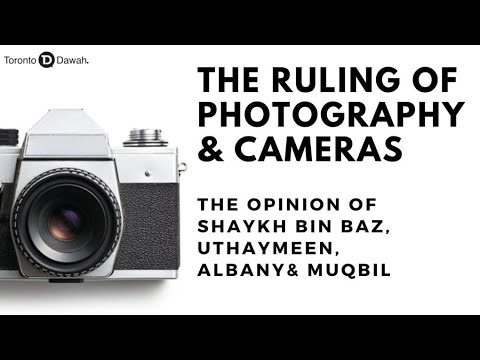
◾A Three Part Series Studying The Views of The Scholars on The Ruling of Creating Images & Videos of Living Beings Using Modern Day Devices◾
1⃣. Part One:
The Opinion Of Shaykh Ibn Baz, ’Uthaymeen, Albani, Muqbil On The Ruling Of Photography And Cameras:
https://m.youtube.com/watch?v=rGm2RqELcqQ&t=1562s
2⃣. Part Two:
Does a Camera take the Ruling of a Mirror? https://m.youtube.com/watch?v=rzBmeTXyK5o&t=219s
3⃣. Part Three:
The Historical Fact for How The Opinion of Using Cameras for Da'wah Emerged
https://m.youtube.com/watch?v=E555v6jbhy8&t=0s
BENEFIT 50: Juwairiyah ibn Asmā’
The Sanad (chain of narration) covered in today's Bukhāri class with Sheikh Jum’ān ḥafidhahullāh:
Muḥammad ibn Ismā’ēl Al-Bukhāri raḥimahullāh wrote in his Ṣaḥīḥ (ḥadīth no. 3104):
حَدَّثَنَا مُوسَى بْنُ إِسْمَاعِيلَ،
حَدَّثَنَا جُوَيْرِيَةُ،
عَنْ نَافِعٍ،
عَنْ عَبْدِ الله
Benefits related to this Sanad:
1⃣. Mūsā ibn Ismā’ēl At-Tabūdhaki (التَّبُوذَكيّ)
• According to…
Allāh made it easy for us to read through the splendid treatise of our Sheikh, Al-’Allāmah Muqbil ibn Hādi Al-Wādi’ee raḥimahullāh on the prohibition of capturing images of living beings last Ramaḍhān
That is if the person is from Ahlus-Sunnah. But if they are from the ḥizbiyyeen, people of corrupt ideologies and desires, who go against the people of truth, then they are to be left off - after advising them concerning that which they are upon. And Allāh knows best.”
Source:
https://t.me/bajmaal/3291
he instructed him to take his stuff. He didn't want Taṣwīr taking place.
The point being, those from the people of knowledge who permitted Taṣwīr did so based on ijtihād; they saw it to be necessary and something beneficial. But in reality, the benefit is little, and people are unable to differentiate the upright scholar from the misguided scholar who leads people away from the straight path.
Whatever the case, if someone is a person of Sunnah and he holds this view, that is his…
BENEFIT 49: Co-operating in Da'wah with those of Ahlus-Sunnah who see Taṣwīr to be permissible
Sheikh Muḥammad Ba Jammāl ḥafidhahullāh said:
“The issue of Taṣwīr is a serious matter and among the major sins; i.e. making images of living beings. The Prophet ﷺ informed that the image makers will be the most severely punished on the Day of Judgement. He also informed that every image maker will be in the Hellfire,…
During the explanation of his book, entitled:
الجامع الفريد في مخالفات شهر رمضان والعيد
Sheikh Muḥammad Ba Jammāl ḥafidhahullāh mentions the following:
“The ninth mistake: Recording the Tarāwīḥ prayers...this is a munkar that must be warned against, especially as it has become a widespread fitnah amongst the Muslims, it is as though his deeds are unaccounted for unless he takes a picture/ records himself...Taṣwīr…
BENEFIT 48: He has changed his stance on the issue of Taṣwīr (image making); it's now ḥalāl?!
Sheikh Muḥammad Bā Jammāl ḥafidhahullāh was asked about a person who changed his stance on Taṣwīr, so he answered:
“He has opposed the evidences. The evidences are overwhelmingly against him. He should be asked, “What is your evidence? You used to say it's ḥarām, but now you say it's permissible, so what is your…
https://t.me/abdulhamid12/1069
’Umar ibn ‘Abdil-‘Azīz was reported to have said:
«قف حيث وقف القوم، فإنهم عن علم وقفوا، وببصر نافذ كفوا»
“Stop where the people stopped (i.e. the Ṣaḥābah), for they stopped based on knowledge and restrained themselves due to deep insight...”
[Ibn Rajab's Faḍl ‘Ilm as-Salaf, p. 36]
Likewise, Imām Al-Awzā’ē (D 157 AH) raḥimahullāh said:
«اصبر نفسك على السنة، وقف حيث وقف القوم، وقل…
BENEFIT 48: Reminding people to send Ṣalāh and Salām upon the Messenger of Allāh EVERY Jumu'ah via the phone, is there anything wrong with this?
Sheikh Yaḥyā ḥafidhahullāh said (paraphrasing):
If people are unaware of upcoming Islamic occasions, such as fasting ’Āshūra, the six days of Shawwāl, etc., there's nothing wrong in reminding them of that, whether that is by means of the phone or via other means. If for…
BENEFIT 47: Abū Ghādiyah (غادية)
Sheikh Jum’ān ḥafidhahullāh said:
There are three Companions who share this Kunya (Abū Ghādiyah):
1⃣. Abū Ghādiyah Al-Juhani [His actual name is Yasār ibn Sabu’ سَبُع]. He is the most well-known of the three because he reported the most ḥadīths. (*)
2⃣. Abū Ghādiyah Al-Muzani
3⃣. Abū Ghādiyah - he made Hijrah alongside his mother.
------------
(*) There occurred an issue…
The Uncle Tisca (Aweys Ali Noor) رحمه الله was known to be a person of goodness and righteousness. He loved Ahlus-Sunnah very much and aided their da’wah greatly.
The Prophet ﷺ said:
‎ «أيُّما مُسلم شَهِد له أربعة بخير، أدخله الله الجنة» فقلنا: وثلاثة؟ قال: «وثلاثة» فقلنا: واثنان؟ قال: «واثنان» ثم لم نَسْأَلْهُ عن الواحد
‘Allah admits to Paradise any Muslim whose goodness is testified to by four people.' We…
BENEFIT 46: True Generosity
Our teacher, Dāris ḥafidhahullāh mentioned in one of the classes:
«الكريم هو الذي يعطي العطاء من غير أن يسأل»
“The generous one is the one who gives voluntarily without being asked.”
On this note, I advise my fellow brothers and sisters, if you know that your fellow Muslim is in need while you have the ability to assist them, then do so and don't wait for them to come and ask…
BENEFIT 45: I have a debt, can you help me?
’Ali raḍhiyallāhu ’anhu narrated that: “A Mukātib (a slave who agrees to buy himself out of servitude) came to him and said: “I am not capable of my Kitābah (buying myself out of servitude) so aid me.” He said: “Should I not teach you words that the Messenger of Allāh (ﷺ) taught me? If you had a debt upon you similar to the mountain of Ṣīr (in some books, Ṣabīr), Allāh…


![Short Poem about a strict Tajweed teacher [translated]](https://web.archive.org/web/20230508070202im_/https://cdn4.telegram-cdn.org/file/Fb3WeUGQSvDIQ3_A04r2MjPNS4u8xPECjK_Am9kPn74deKGkFpWbzyEO10ax4ut-GX0OkoxtjmhN05raiMso2EDqtevfG1PLb1--LiIyr3R_yBjj-nNgQS56o5-6HCbTqABUwqcSD1psm3K5xKxXfVm0fBTnFggZl4jZGytvZlb2YfvEX_7JRdq2p2K37FJbmIFocOBPnzFBsqFLr8cHtGgHyGcEuSgH_8F5Xs7BnAsiloMzU0s_WkKpWXWDxcAsIhGyZvgTvgIpGc8bi-_hfQg-fr1CcRqPP5YwXTb9yao-rFgT_nnn7SluPdKXnDk3oe2rIIUpNSElxfenrAT_7w)