Follow up question on the topic of requesting donations:
One may ask:
“There was a time where the Prophet ﷺ asked to give charity, Umar gave half of his wealth, Abubakar gave all of his wealth and told the Prophet ﷺ that he left his family to Allah and his Messenger. The Prophet didn’t put a limit. Similarly, another time the Prophet ﷺ asked to fund jihaad and the companions gave camels. Again the Prophet ﷺ didn’t put a limit...”
Response:
There's a difference between…
The Prophets and Messengers invited their people to worshipping Allah alone (Tawheed). They gave da'wah day and night, in public and in secret, and though many had families to support, they never requested donations from the people - not even in the name of da'wah.
Nûh عليه السلام said to his people:
{ وَیَـٰقَوۡمِ لَاۤ أَسۡـَٔلُكُمۡ عَلَیۡهِ مَالًاۖ إِنۡ أَجۡرِیَ إِلَّا عَلَى ٱللَّهِۚ...}
“My people, I ask no…
“...The Da'wah has become a means for many people to earn a living. His concern is not giving Da'wah really, he is merely a layman who grows the beard, wears a turban and goes out (seeking donations), “we have a da'wah, we have a da'wah,” and at the end maybe they give him forty / fifty thousand Saudi riyals (in donations) and he goes and buys himself a farm...”
[From the tape الأجوبة على أسئلة العيزري]
Continue…
And money is a strong arrow in igniting the fire of trials. Unless there is repentance to Allah and returning to Allah and brotherhood for the sake of Allah. We advise them with calling one another to
– From the tape “Questions from the youth of Aden regarding the Fitnah of Abil Hassan”
Translated by Abdullah al-Hindi
Continue reading ⤵️
It was asked to Shaikh Rabee ibn Haadee Al Madhkhali: Our Shaikh Muqbil founded the da’wah salafiyyah here in Yemen based upon self sufficiency and he authored a book titled “The blameworthiness of as
Our question is: Some of the callers sometimes ask the people money for the purpose of Da’wah. So what is the criteria in asking from people for the purpose of da’wah?
The Shaikh answered:
fitna -in-arabic. In any case, May Allah have Mercy upon Shaikh Muqbil and I ask Allah to succeed him with good in Yemen and other than Yemen. For verily this person, may Allah have Mercy on him, reminds us of the asceticism of…
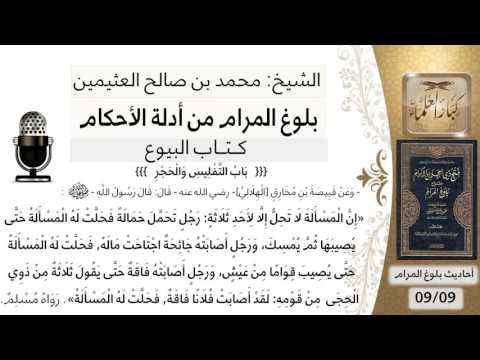
This is why I posted the hadeeth of Qabeesah and requested you to reflect. In each one of the 3 allowable cases mentioned, the Prophet ﷺ clearly sets a limit and tells them to stop once the limit is r
I don't know what is going through some people's minds. Is it greed, lack of awareness of such ahaadeeth, lack of understanding, or just lack of care and concern? Allah knows best. But fear Allah my brothers! Fear Allah!
Continue reading ⤵️
The reason for raising this discussion is to remind my fellow Muslims about the severity of begging/requesting donations, which unfortunately we see many Muslims taking lightly, especially in recent t
Let's not conflate between donating to poor students of knowledge directly and making public appeals for financial help without there being any Dharoorah:
‘Umar ibnul Khattab radhiyallahu anhu said: Allah's Messenger ﷺ would give me something but I would say to him, “I prefer you give it to someone poorer and more needy than l?” The Prophet ﷺ said to me, “Take it. If you are given something from this wealth,…
Here are some Points of benefit derived from the hadeeth:
1⃣. The base rule in Islam is that begging/asking for donations is haraam
Sheikhul Islam ibn Taymiyyah rahimahullah said:
((وقد تواترت الأحاديث عن النبي ﷺ بتحريم مسألة الناس إلا عند الضرورة))
“There are multitudes of hadiths relayed from the Prophet ﷺ prohibiting begging - except in the case of Dharoorah (dire necessity).”
[مجموع الفتاوى (8/538)]
BENEFIT: Sheikh Muqbil has collected many of these in his book…
Qabeesah ibn Al-Mukhaariq (May Allāh be pleased with him) reported:
“I undertook a financial responsibility, then I came to the Prophet (ﷺ) and asked him (for help) concerning that. He (ﷺ) said: 'Hold on, O Qabeesah! When we get some charity we will give you some.' Then the Messenger of Allah (ﷺ) said: 'O Qabeesah, [REQUESTING] CHARITY IS NOT PERMISSIBLE EXCEPT FOR ONE OF THREE:
(1) A man who undertakes a…
Glad tidings for Ahlus-sunnah generally and those in Tanzania specifically
بسم الله الرحمن الرحيم
With the counsel of Al-'Allaamah Yahya Al-Hajoori, may Allah preserve him, Shaykh Abu Hatim Al-Jazaai'iree will now be running Markaz Uthmaan bin Affaan in Boma in the province of ⛰ Kilimanjaro ⛰, Tanzania; inviting every sincere Salafi in and outside this country to aid upon Birr and Taqwa, spreading knowledge and goodness, advising one another, remaining distinct from falsehood and its…
Sheikh 'Uthaymeen rahimahullah says:
لا يجوز للإنسان أن يلبس شيئاً فيه صورة، سواء أكان ثوباً، أم سروالاً، أم غطرة، أم طاقية، أم فانلة، أم غير ذلك
“It is not permissible for a person to wear anything which has an image, be it a thawb, trouser, headscarf, cap, vest, or anything else.”
Do you think Sheikh 'Uthaymeen would allow people to wear brands like Puma and AirJordans without defacing the heads of these images?…
بسم الله الرحمن الرحيم، الحمد لله والصلاة والسلام على رسول الله وعلى آله وصحبه أجمعين، أما بعد:
Sheikh Muhammad ibn Salih Al-'Uthaymeen rahimahullah is one of the most decorated scholars of our era. His works provide an invaluable source of knowledge for students and scholars alike. But while it is reassuring to see him being held in high regard and benefitted from, it is also distressing to see how some of his opinions are sometimes exploited.
It's important to note that whenever there's a difference of…
1. The Manhaj (methodology) of the Prophets as per the Qurʿān is to invoke mercy and forgiveness ONLY for the believing men & women
2. It is not permissible to invoke mercy and forgiveness upon a disbeliever, male or female, living or dead - according to the concensus (Ijmaa')
3. If one was to invoke mercy and forgiveness upon a disbeliever, it will be of no avail. Allah Almighty said:
{ سَوَاۤءٌ عَلَیۡهِمۡ…
الحمد لله والصلاة والسلام على رسول الله
صلى الله عليه وعلى آله وصحبه وسلم
أما بعد:
We find some Muslims invoking mercy upon a Christian journalist who died upon Kufr. Some of them go as far as calling her a Shaheed (martyr), and some as far as affirming Jannah for her.
Let's ignore the fact that she defended the Palestinian people and the fact that she condemned the Jewish aggression. In fact, let's ignore every…
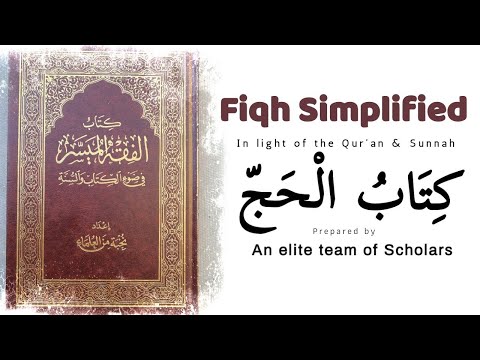
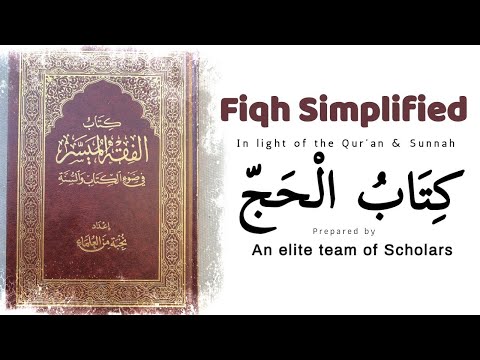
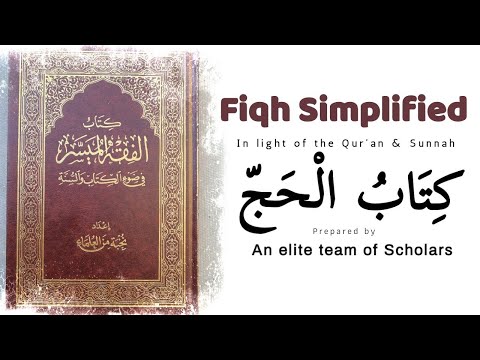
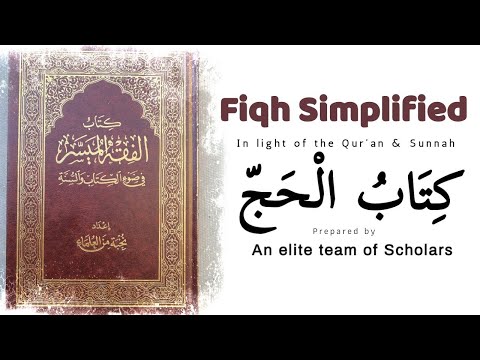
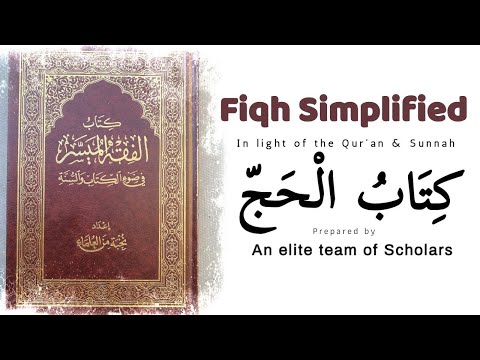
In preparation for Hajj, we will be reading through Al-Fiqh Al-Muyassar (Fiqh Simplified)
See link for PDF (Arabic):
https://t.me/madrasatuna/1382
The book gives a concise overview on Jurisprudential matters which every Muslim should be acquainted with. It is well organised, simple to understand, does not delve too much into differences of opinion, and compiled and verified by a number of scholars and professors…
May Allāh bless you all for your diligence. 3 classes is going to be a challenge, but we'll seek Allah's assistance and begin على بركة الله. We'll continue with The Book of Hajj from today. May Allah
Here's the first lesson:
https://youtu.be/sZp61HX4Mcc
Madina Book 2 will be starting soon إن شاء الله so be prepared.
I understand classes are not face to face, but if you take these classes seriously, you will benefit إن شاء الله. I suggest setting yourself a timetable to help maintain a regular schedule and dedicating a notebook for notes. If you feel your notes will be of help to others, send them to me…
A revert's story
The best Ramadhan I ever had was when I first embraced Islam 13 years ago. I accepted Islam the night before Ramadhan and on the following day I began fasting. Although that was my first Ramadhan, fasting was pretty easy Alhmadu lillaah. The brothers were very friendly, loving and welcoming. I would get invited for Iftaar at a different house almost every day. Sometimes brothers would even fight…
1. Striking a balance between beautifying the voice and maintaining sincerity
2. Striking a balance between beautifying the voice and applying correct Tajweed rules
3. Being influenced by people's praise or dispraise
4. Forgetting portions of the Qur'an
5. Failure to meet & maintain daily revision targets (Wird)
6. Lack of confidence
7. Making a mistake when reciting from memory - especially in Salah
8.…