Case Study: Viral Warning Post — A Community Alert or a False Allegation?
30 May 2026 • 2.48K views
----------------------
The Scenario
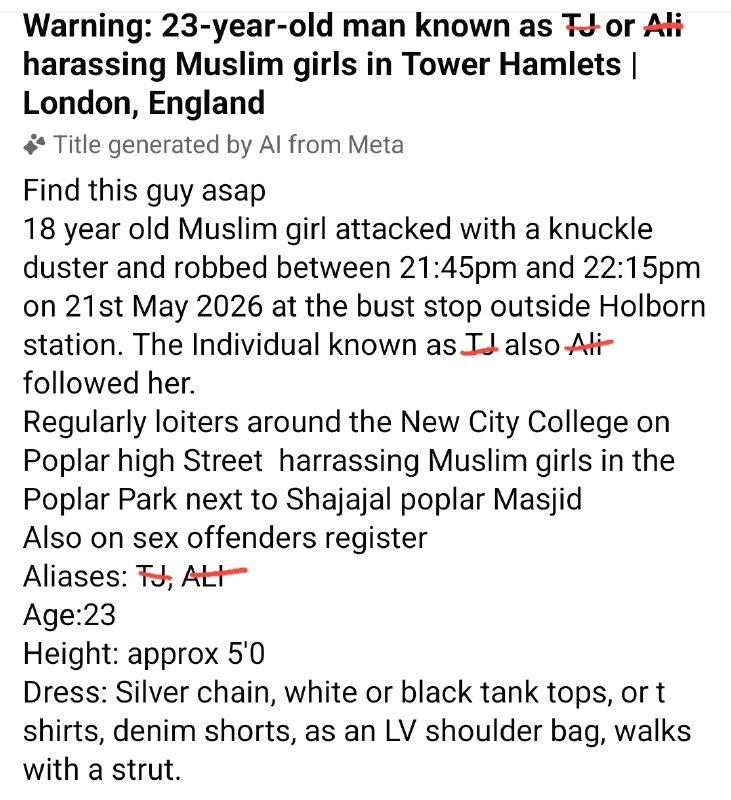
A post circulates on social media claiming that a man in a London borough has been harassing and assaulting Muslim women near a local college and masjid. The post includes a physical description, alleged aliases, and photos. It claims the individual is on the sex offenders register. The post spreads rapidly through community WhatsApp groups and Telegram channels.
The Question: How should you respond — whether you are the one being accused, or a third party who has received the post?
----------------------
If You Are the One Being Accused — S.A.B.R.
S — Stay calm and grounded
A post like this can spread to hundreds within minutes. The natural response is panic, anger, or the urge to retaliate publicly. Resist this. Emotional reactions often worsen the situation and can be used against you.
A — Ask Allah for help
Allah is the Best Disposer of affairs and He knows the truth of every matter. When Prophet Yusuf ﷺ was falsely accused he turned to Allah, saying: "My Lord, prison is more beloved to me than what they invite me to."
B — Block the spread with truth
Address the matter calmly, honestly and directly with those who matter — trusted community figures, family, or if necessary, through legal channels. Do not engage in a public back-and-forth on social media. Allah says: "O you who have believed, be mindful of Allah and be with the truthful." [At-Tawbah: 119]
R — Rise above it
Your character over time is your greatest defence. Those who know you will not be swayed by an anonymous post. Continue doing good, maintain your dignity, and let your conduct speak. Allah says: "Be persistently standing firm in justice." [An-Nisa: 135]
-------------------
If You Received the Post — C.A.U.T.I.O.N.
C — Check authenticity before believing or sharing
Ask yourself: Who made this post? Is there a verifiable source? Anonymous social media posts with photos are not evidence of guilt.
A — Assess the context
Could this be a personal dispute? A vendetta? Mistaken identity? Context matters enormously. Many viral "warning" posts have later been proven false, with the accused suffering irreversible reputational damage.
U — Understand there are two sides
You have heard one account. You have not heard from the accused, nor seen any investigation or due process.
T — Think before reacting
Do not forward, screenshot, or comment out of emotion. If the allegation is false, every share is an act of injustice.
I — Ignore what does not benefit your deen
If you have no direct involvement and no ability to verify, staying out of it entirely is often the most correct position.
O — Observe restraint
Do not rush to take sides, rally others, or publicly condemn someone before the truth is established.
N — Never pass on rumours or hearsay
The Prophet ﷺ warned: "It is enough falsehood for a person to repeat everything they hear."
Allah says: "O you who believe, if a wicked person comes to you with news, verify it, lest you harm people out of ignorance and become regretful over what you have done." [Al-Hujurat: 49:6]
-------------
Source: Women's Benefits (614 & 615) — t.me/womensbenefits/1706