What to do During the First Ten Days of Dhul-Hijjah
17 May 2026 • 2.56K views
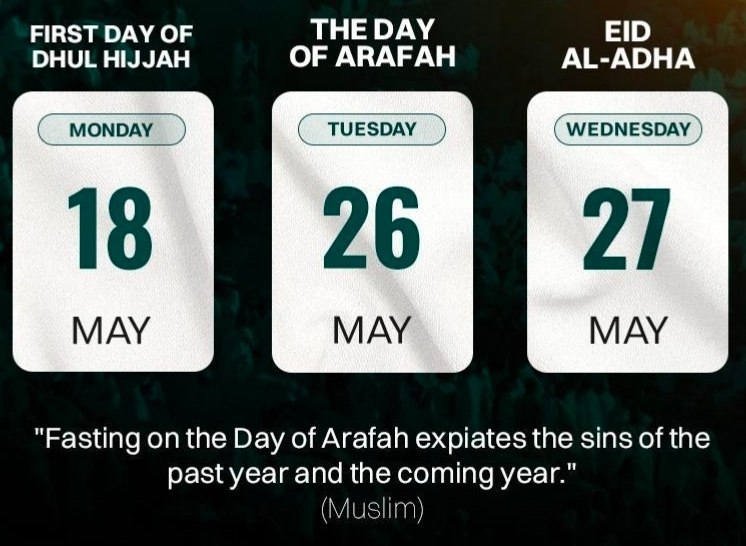
Narrated by Ibn Abbas (may Allah be pleased with them both), who said that the Prophet ﷺ said:
((ما مِنْ أيَّامٍ العمَلُ الصَّالِحُ فيها أحبُّ إلى اللهِ مِن هذه الأيام)) يعني أيامَ العشر، قالوا: يا رسُولَ الله، ولا الجهادُ في سبيلِ الله؟ قال: ((ولا الجهادُ في سبيلِ الله، إلا رجلٌ خَرَجَ بنفسِه ومالِه فلم يَرْجِعْ من ذلك بشيءٍ)). [رواه البخاري وأبو داود، واللفظ له]
“There are no days in which righteous deeds are more beloved to Allah than these days” — meaning the first ten days (of Dhul-Hijjah). They said: “O Messenger of Allah, not even jihad in the way of Allah?” He said: “Not even jihad in the way of Allah, except for a man who goes out with his life and wealth and returns with nothing from that (i.e., he loses both his life and wealth).”
This hadith shows that good deeds during these days are more beloved to Allah than deeds done during any other days of the year, without exception. The only exception is the highest form of jihad, where a person gives up both his life and wealth completely.
There is no authentic hadith specifying exactly how much the reward is multiplied during these days, but the hadith clearly shows that the reward is immensely great, and Allah knows best how great it is.
The hadith of Ibn Abbas also indicates that all righteous deeds are multiplied during these ten days without exception.
Sheikh Saliḥ Al-Fawzān on the actions that should be increased upon during the days of Dhul-Hijjah:
1⃣. Voluntary prayer, especially at night
2⃣. Voluntary fasting, especially the ninth day (except for those performing Hajj)
3⃣. Glorifiying Allāh with takbīr (i.e saying: "Allāhu Akbar, Allāhu Akbar, Lā ilāha illa Allāh, Allāhu Akbar, Allāhu Akbar, wa lillāhi al-Ḥamd")
4⃣. Gloryifying Allāh with tasbih (i.e saying: "Subḥān Allāh") and tahlil (i.e saying: "Lā ilāha illa Allāh")
5⃣. Reciting the Qur'ān
6⃣. Giving charity to the poor and for the sake of Allāh
7⃣. To sacrifice on the day of 'Eid
[Summarised from the Shaykh's website, article titled: 'Fadl Al-'Ashr Min Dhil-Hijjah']